Outline
- Introduction
- What is SERP?
- Why is Optimizing for SERP Important?
- 1. Title Tags: The First Impression Matters
- Importance of concise and compelling titles
- Using keywords effectively
- 2. Meta Descriptions: The Short and Sweet Pitch
- Role in attracting clicks
- How to write engaging meta descriptions
- 3. URL Structure: Clarity is Key
- Importance of readable URLs
- How to structure URLs effectively
- 4. Rich Snippets: Boosting Your Visual Appeal
- Types of rich snippets (reviews, products, events)
- How to implement structured data for rich snippets
- 5. Featured Snippets: The Coveted Position Zero
- Benefits of featured snippets
- How to optimize content for featured snippets
- 6. Site Links: Providing Easy Navigation Options
- Role of site links in CTR
- How to get Google to display site links
- 7. Knowledge Panel: A Snapshot of Authority
- How to appear in the Knowledge Panel
- Benefits of a Knowledge Panel presence
- 8. Local Pack: Targeting Nearby Users
- Importance for local SEO
- Optimizing for Local Pack placement
- 9. Image and Video Thumbnails: Visual Elements for Engagement
- Role of multimedia in SERPs
- How to get image and video thumbnails to appear
- 10. Reviews and Ratings: Building Trust at a Glance
- Impact on CTR and trustworthiness
- Ways to optimize for reviews and ratings
- Conclusion
- FAQs
- How do title tags affect SEO?
- What’s the difference between rich and featured snippets?
- How can I improve my meta descriptions?
- Why are reviews and ratings important in SERP?
- What tools can help optimize for SERP elements?
Introduction
Gaining visibility on the first page of search results is a big deal, but how you appear on that page matters just as much as your position. With Google constantly evolving its algorithms and enhancing SERP elements, it’s critical to understand and optimize each component. Here’s a breakdown of the top 10 elements you can leverage to make your presence in SERP unforgettable.
What is SERP?
SERP stands for Search Engine Results Page—the page displayed by search engines in response to a user’s query. Each element on this page is an opportunity for your website to connect with users, capture their interest, and ultimately drive traffic.
Why is Optimizing for SERP Important?
A spot on the first page is valuable, but it’s about more than just ranking. How your website’s snippet looks, how it communicates value, and how clickable it is can make the difference between getting ignored and gaining traffic. By optimizing for SERP elements, you can attract more users and enhance your overall SEO strategy.
1. Title Tags: The First Impression Matters
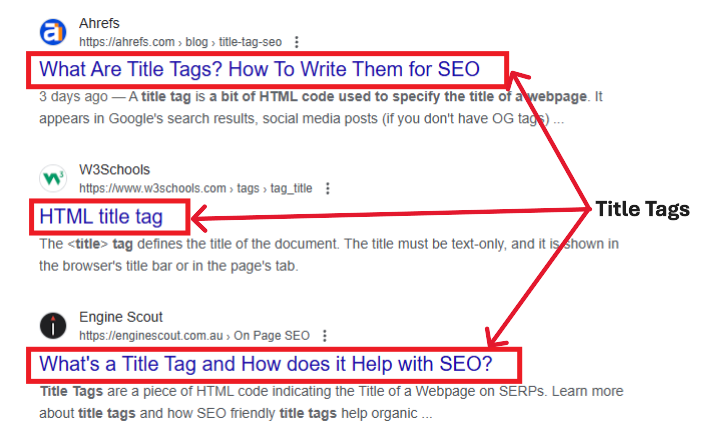
Your title tag is one of the first things users see, and it can heavily impact whether they click. Keep it concise, compelling, and keyword-focused.
- Importance of Concise Titles: Search engines typically display 50-60 characters in the title, so keep it short and catchy.
- Using Keywords Effectively: Include your primary keyword early in the title to show relevance to the user’s search.
2. Meta Descriptions: The Short and Sweet Pitch
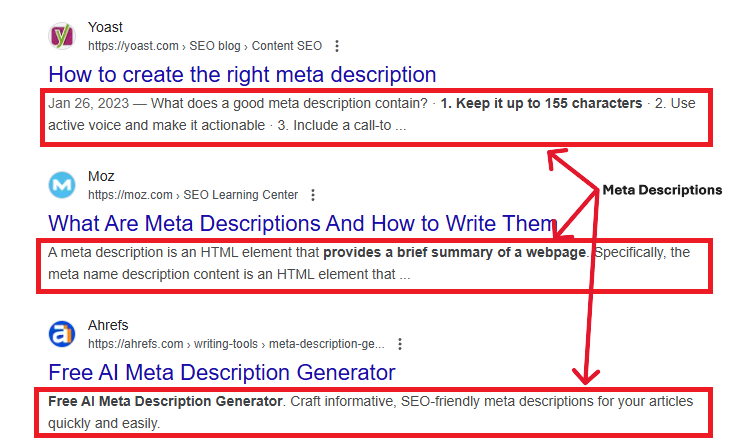
Meta descriptions act as your SERP pitch. They summarize the content on the page and give users a reason to click.
- Role in Attracting Clicks: A well-crafted meta description can increase CTR by providing more context.
- How to Write Engaging Meta Descriptions: Use action words, highlight value, and include keywords naturally to make it enticing.
3. URL Structure: Clarity is Key
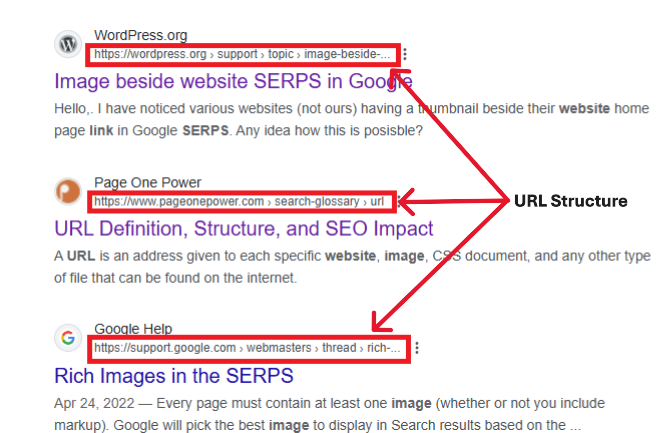
URLs should be easy to read and understand. A clear URL not only helps users but also assists search engines in understanding your page’s content.
- Importance of Readable URLs: URLs that are clean and descriptive make users more likely to trust your site.
- How to Structure URLs Effectively: Keep them simple, include keywords, and avoid unnecessary characters.
4. Rich Snippets: Boosting Your Visual Appeal
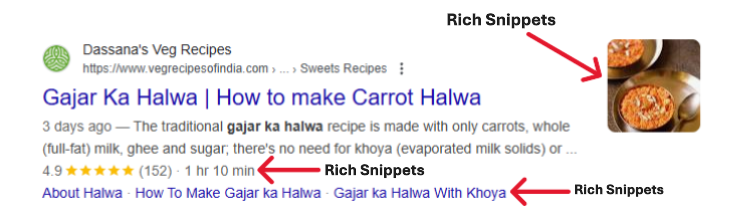
Rich snippets enhance search results with extra data, like product prices, availability, or ratings. They make your listing more informative and stand out from standard results.
To optimize for rich snippets:
- Use structured data (Schema Markup): This is crucial for displaying rich information like product details or event information.
- Focus on relevant content: Rich snippets work best when your page offers in-depth information about products, recipes, or events.
- Follow Google’s guidelines: Ensure structured data is accurate and adheres to Google’s quality standards to avoid penalties.
5. Featured Snippets: The Coveted Position Zero
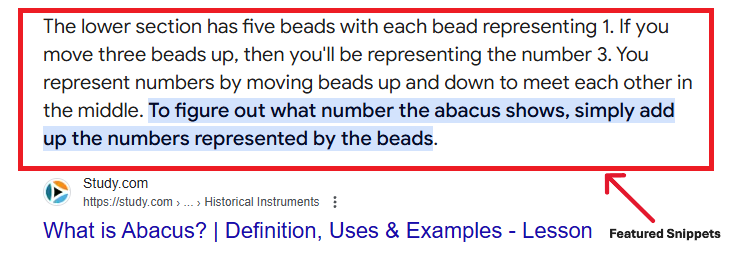
Featured snippets, also known as “Position Zero,” are brief excerpts that appear at the top of the SERP, answering users’ questions directly. These snippets are extremely valuable as they stand out and often lead to high click-through rates.
To improve your chances of landing a featured snippet:
- Answer questions clearly: Use straightforward language to answer common questions in a concise paragraph, list, or table.
- Use structured data: Organizing information with headers and lists helps Google recognize content suitable for snippets.
- Optimize for long-tail keywords: Snippets often pull from content answering specific questions or queries, so targeting these can increase your snippet potential.
6. Site Links: Providing Easy Navigation Options
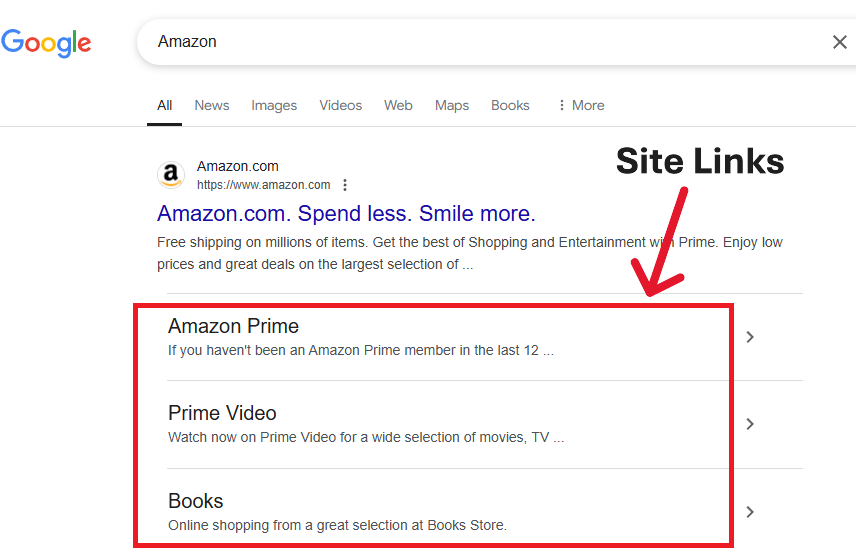
Site links are additional links to specific pages within your website that appear beneath the main URL. They provide users quick access to key sections of your site.
To improve your site link appearance:
- Structure your site well: A clean, organized navigation increases the chance of Google displaying site links.
- Optimize internal linking: Strong internal links help Google understand the hierarchy of your content.
- Create meaningful page titles: Clear, descriptive titles make it easier for Google to display relevant site links.
7. Knowledge Panel: A Snapshot of Authority
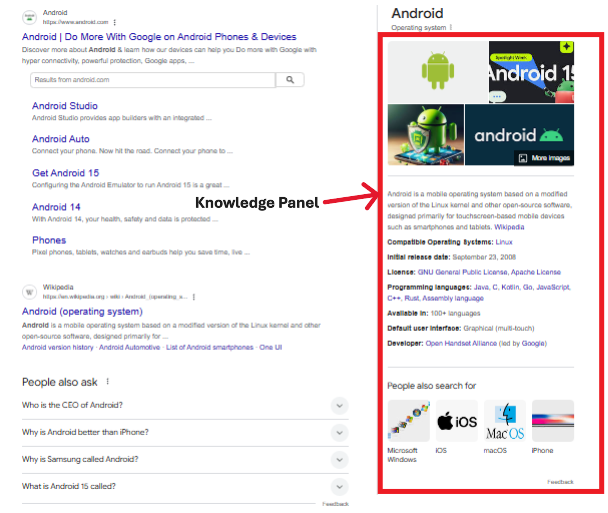
Knowledge panels provide information about a specific entity, such as a business, person, or topic. These appear on the right side of Google’s SERP and offer users quick facts, helping establish credibility.
For a chance at a knowledge panel:
- Claim your entity on Google My Business: For businesses, this is key to improving local SEO.
- Use structured data (Schema Markup): Markup helps Google understand content, increasing the chances of a knowledge panel.
- Build authority with reliable sources: Google prioritizes entities with significant authority or presence across the web.
8. Local Pack: Targeting Nearby Users
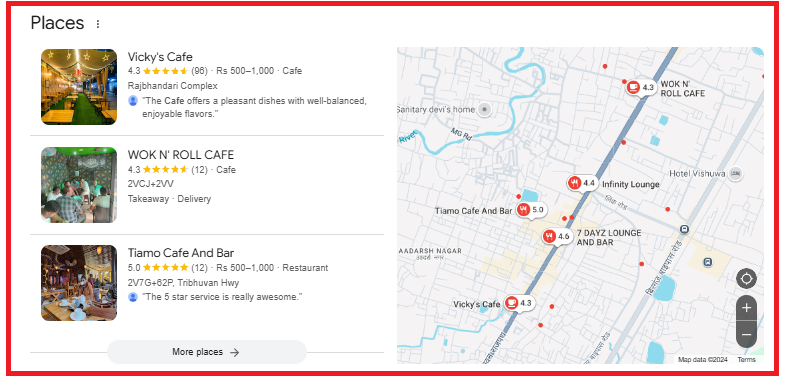
The Local Pack, or “Map Pack,” displays a set of three businesses relevant to a local search query along with a map. It’s essential for companies looking to attract local customers.
To appear in the Local Pack:
- Optimize Google My Business: Ensure all details are accurate, especially your location, hours, and business category.
- Gather reviews: Positive reviews build credibility and improve visibility in local searches.
- Optimize for local keywords: Use city names and local terms in your website content and meta descriptions.
9. Image and Video Thumbnails: Visual Elements for Engagement
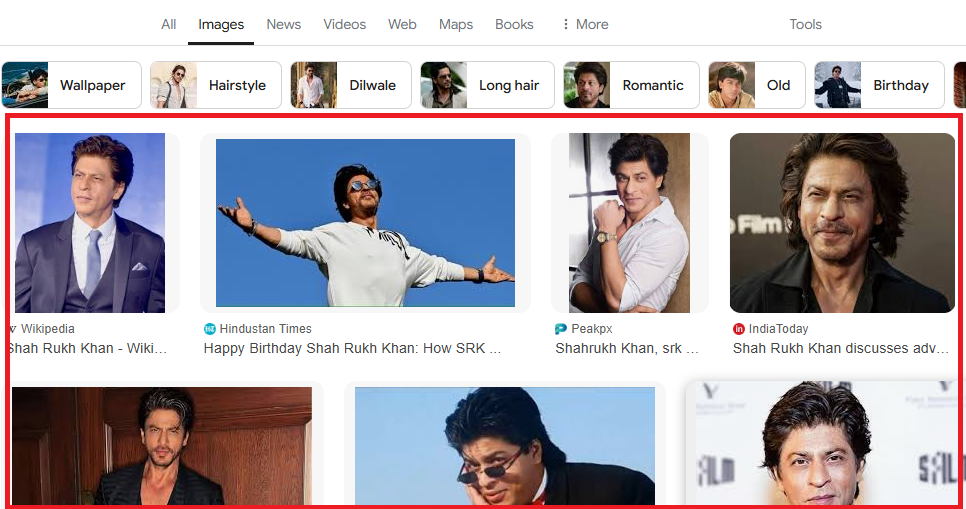
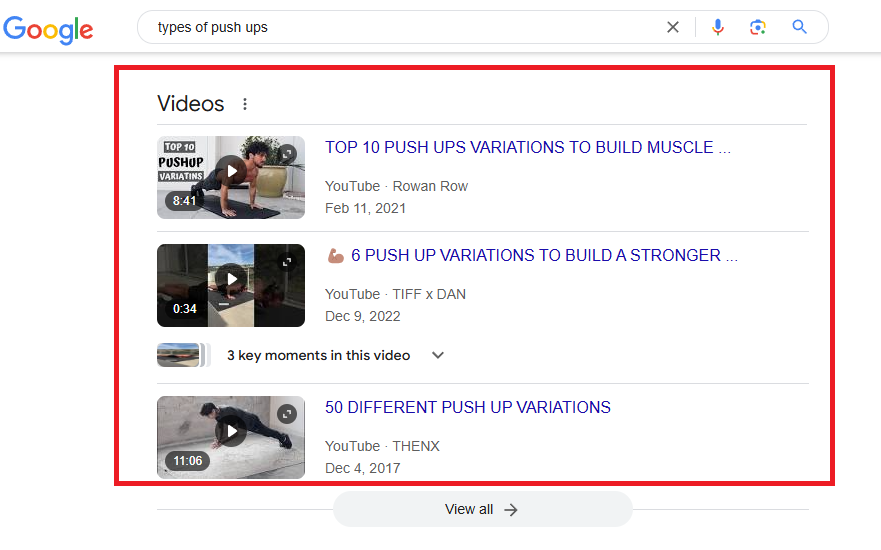
Images and video thumbnails can catch the user’s eye and add an extra layer of appeal to your result.
- Role of Multimedia in SERPs: Visuals can increase CTR by drawing attention.
- How to Get Image and Video Thumbnails to Appear: Add structured data for multimedia, use high-quality images, and ensure descriptive file names.
10. Reviews and Ratings: Building Trust at a Glance
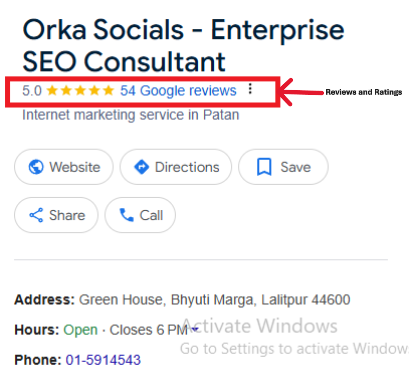
SERP listings with star ratings or reviews are more attractive and often lead to higher click-through rates. This feature is especially valuable for businesses, products, and services.
To display reviews and ratings:
- Encourage customer feedback: Ask satisfied customers to leave positive reviews on Google, Yelp, or your website.
- Use schema for reviews: Structured data markup allows search engines to display ratings in the SERP.
- Manage your online reputation: Respond to reviews and address any negative feedback professionally to maintain trustworthiness.
Conclusion
Each element on SERP plays a unique role in driving visibility and clicks. By strategically optimizing these components, you can make your listings more appealing and relevant to users, ultimately improving your SEO performance. Dive into your SEO tools, start tweaking these elements, and watch your CTR soar!
FAQs
1) What are the elements of SERP in detail?
SERP elements include organic listings, paid ads, featured snippets, knowledge panels, local packs, People Also Ask, image packs, video carousels, reviews, and site links. Each serves to enhance user experience by offering quick answers, visuals, or detailed information.
2) What is the CTR on SERP?
CTR (Click-Through Rate) on SERP is the percentage of users who click on a search result link. A high CTR indicates strong user interest, often driven by features like compelling titles, meta descriptions, and snippets.
3) How to show 100 results in SERP?
To view 100 results on Google, go to search settings and increase the “Results per page” option. This allows you to see more results in a single page view, reducing the need to scroll through multiple pages.
4) What SERP feature has the highest traffic potential?
Featured snippets and top organic listings offer the most traffic potential due to their prominent SERP positions, with snippets capturing the most clicks by appearing at the top.
5) What’s the difference between rich and featured snippets?
Rich snippets add extra data to a result (like reviews or prices), while featured snippets appear at the top of SERP, directly answering user questions. Featured snippets tend to drive more traffic.
6) How can I improve my meta descriptions?
For better meta descriptions, keep them under 160 characters, include keywords, and use a call-to-action. Each description should be unique, accurately summarizing the page content.
7) Why are reviews and ratings important in SERP?
Reviews and ratings build credibility, helping listings stand out. Positive ratings increase CTR as they offer social proof, especially for businesses, products, and services.
8) What tools can help optimize for SERP elements?
Tools like Google Search Console, SEMrush, Ahrefs, and Moz help with SERP optimization by tracking rankings, analyzing keywords, and targeting features like snippets. Schema Markup Generators aid in structuring data for rich snippets.